Processing Mango Prunings for Agricultural Use
Mango prunings involve the removal of unwanted or excess branches from mango trees to promote healthy growth and improve fruit production. Proper pruning can lead to increased yield, better fruit quality, and easier harvests. The process requires understanding the tree's structure, growth patterns, and optimal timing to ensure the health of the tree and maximize productivity.
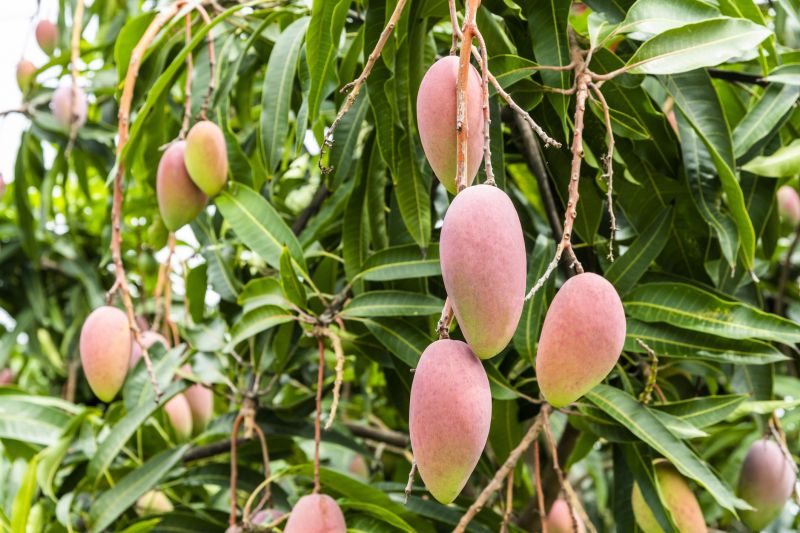
Mature mango trees are pruned to remove dead or diseased branches, encouraging new growth and better fruiting potential.
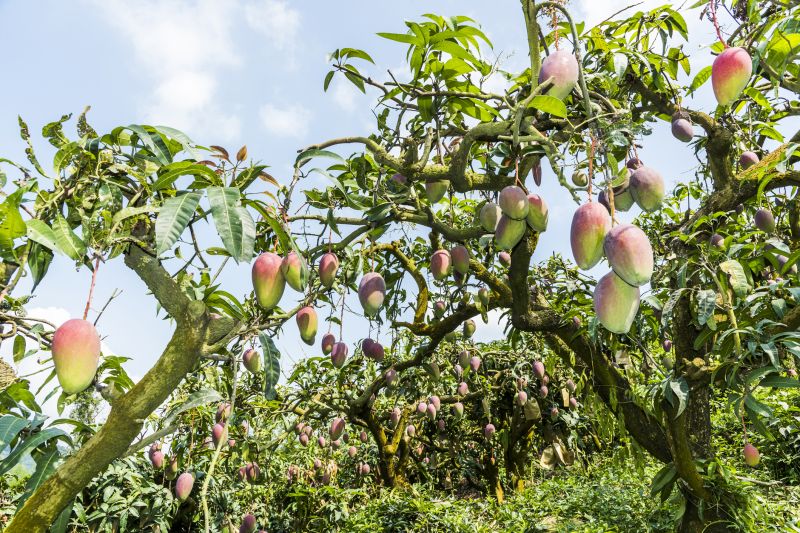
Pruning young trees helps shape their structure and promotes strong, healthy development.
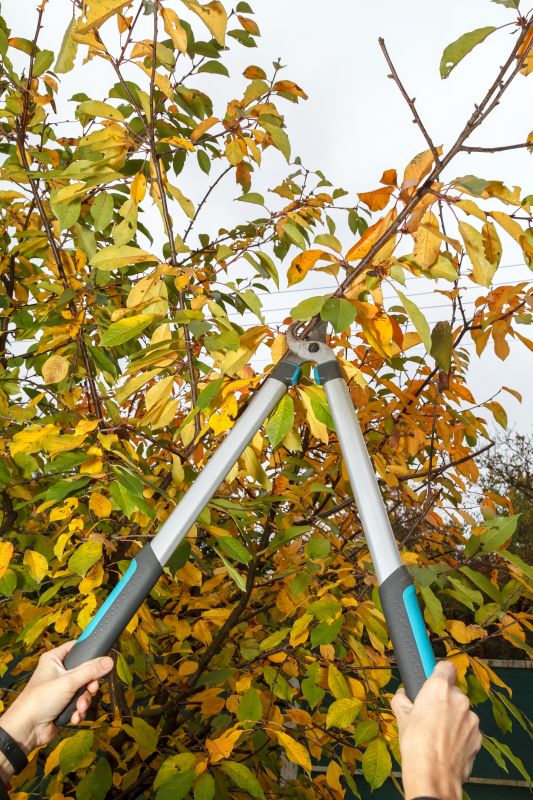
Sharp pruning shears and saws are essential for clean cuts and minimizing damage to the tree.
The process of mango pruning involves several steps. First, dead or diseased branches are identified and removed. Next, crossing branches that may rub against each other are pruned to prevent damage. Thinning of the canopy allows sunlight to penetrate, which is vital for fruit development. Finally, shaping the tree ensures accessibility for harvesting and maintenance.
The duration varies based on tree size and complexity, typically ranging from one to three hours per tree.
Experienced pruners ensure proper technique, reduce damage, and promote healthy growth, leading to higher yields and better-quality fruit.
Techniques include heading back, thinning out, and shaping, each tailored to the specific needs of the mango tree.
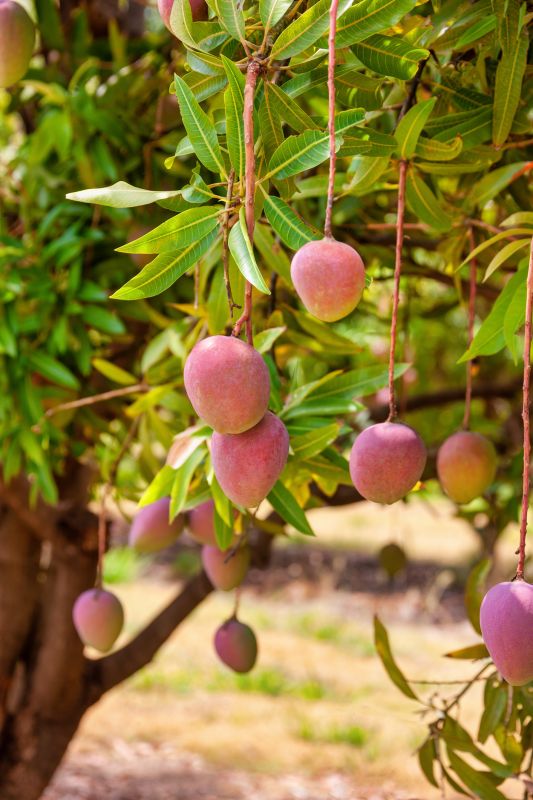
A well-pruned mango tree with a balanced canopy and accessible branches ready for fruiting.
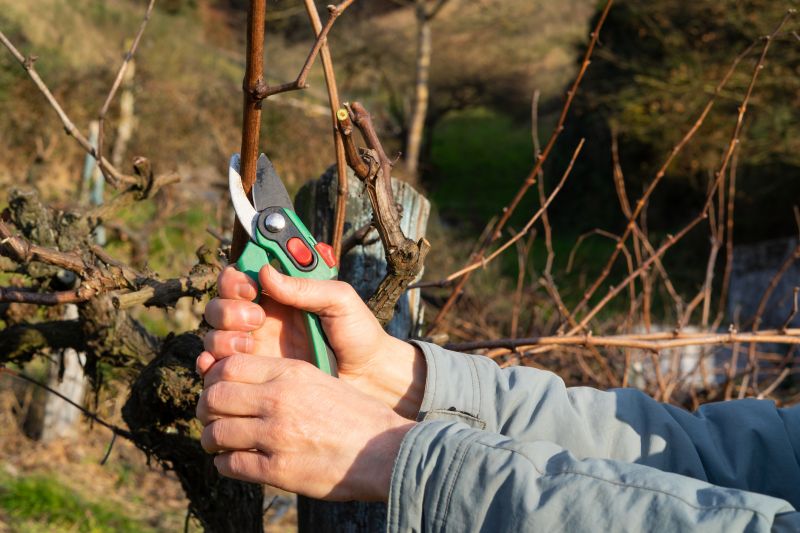
Specialized tools used by professionals for precise cuts and minimal tree stress.
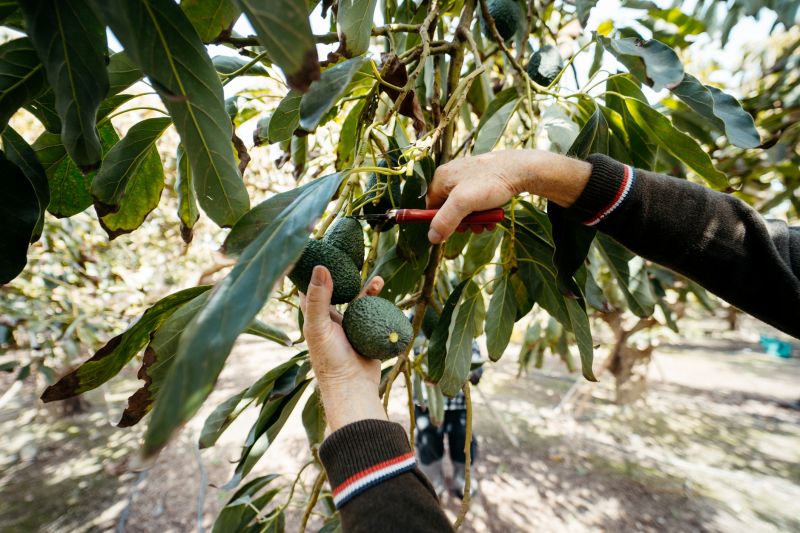
Post-pruning growth demonstrating improved structure and vitality.
Individuals interested in mango pruning can contact professionals to obtain quotes and schedule services. Proper pruning contributes to healthier trees, better fruit quality, and increased productivity, making it a worthwhile investment for orchard owners and growers.