Tree Trimming to Encourage Fruit Production

Trimming to shape trees enhances visual appeal and maintains a balanced structure.
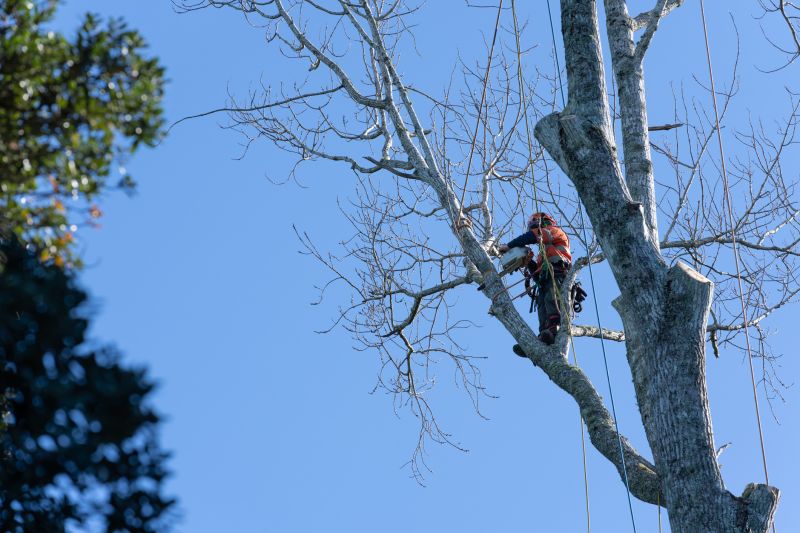
Eliminating dead or diseased branches promotes tree health and safety.
Selective thinning improves airflow and light penetration within the canopy.
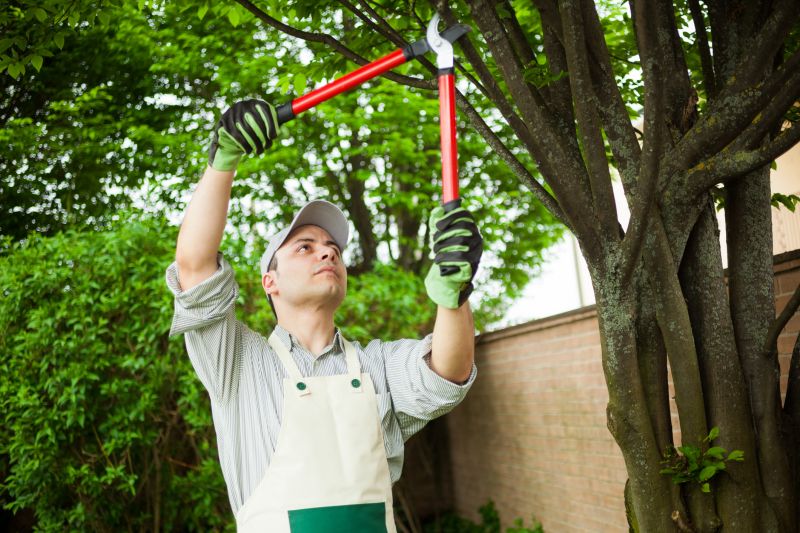
Supports proper growth and prevents potential hazards caused by weak branches.

Trimming before storms reduces the risk of branch failure and property damage.

Regular trimming helps detect and address early signs of disease or pest issues.
Proper trimming encourages healthy growth, improves structure, and reduces disease risk.
Well-maintained trees enhance curb appeal and landscape value.
Removing hazardous branches minimizes the risk of accidents and property damage.
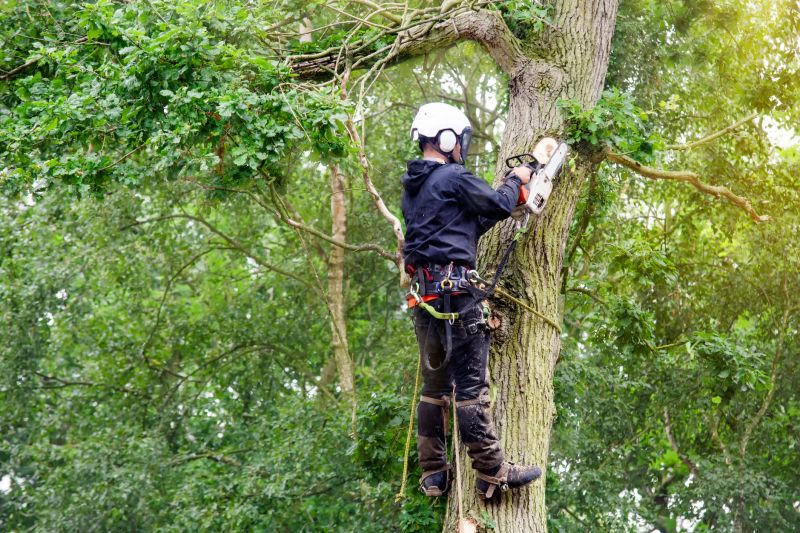
Trained arborists perform precise cuts to promote healthy growth.
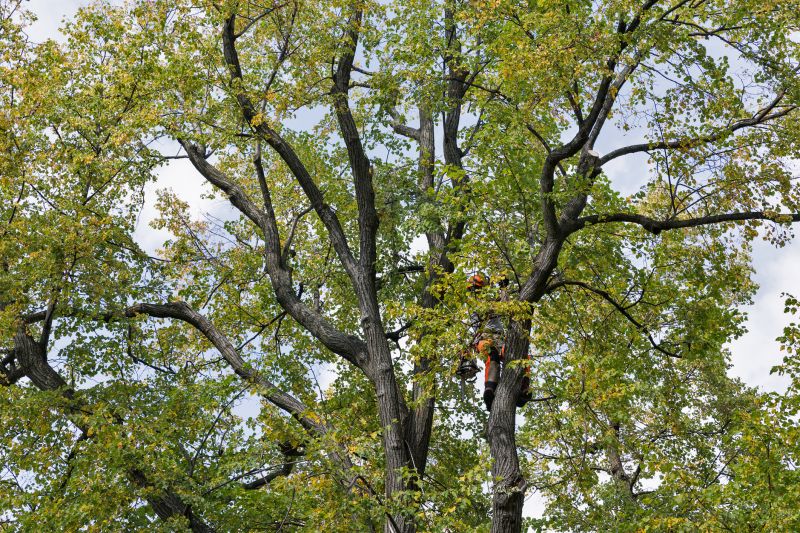
Selective removal of branches to improve airflow and light.
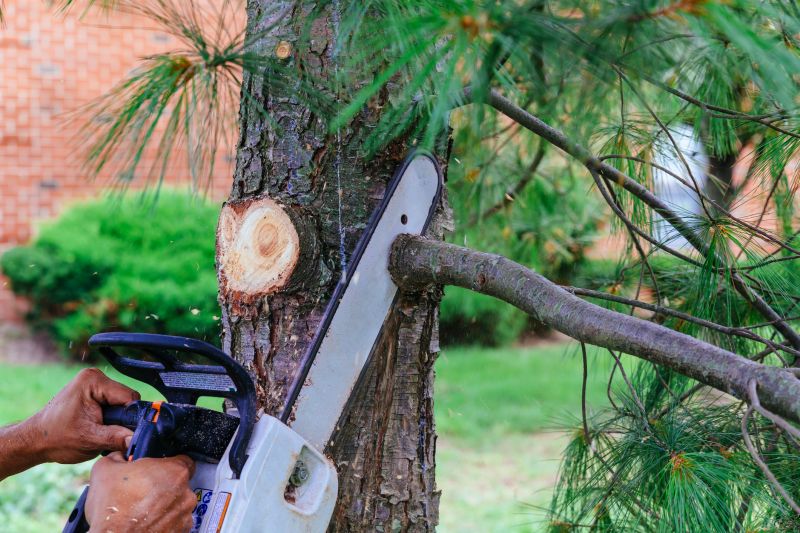
Eliminating dead branches to prevent breakage and disease spread.
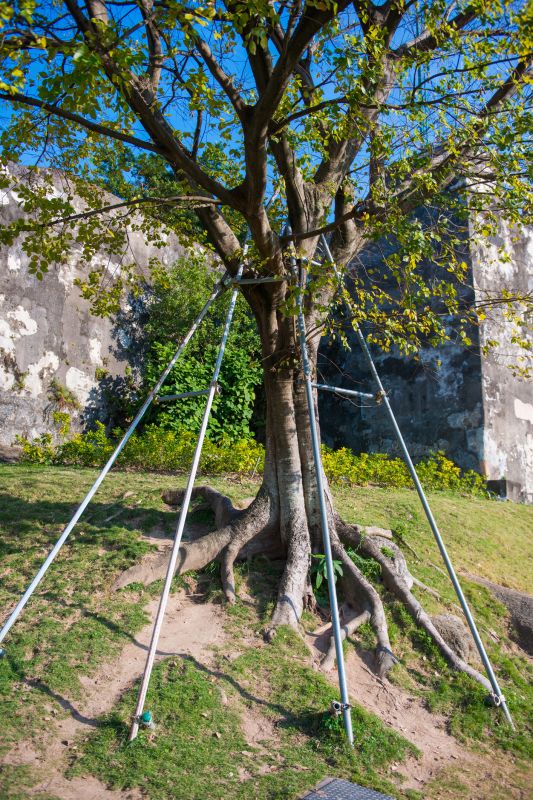
Enhancing tree stability and preventing future hazards.
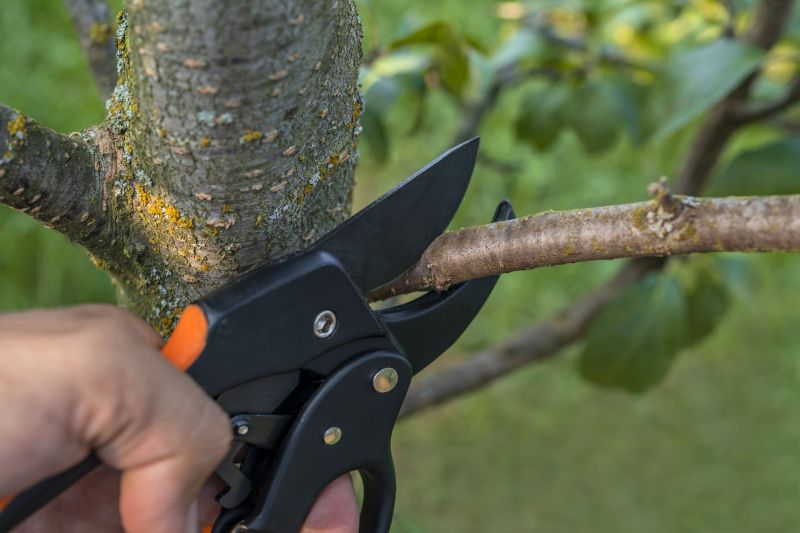
Pre-storm pruning to reduce potential damage.
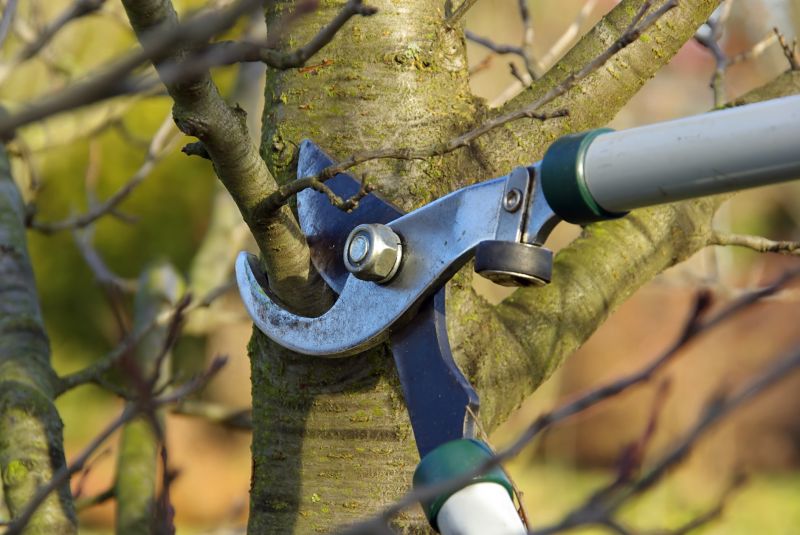
Consistent trimming supports long-term tree vitality.
| Benefit | Description |
|---|---|
| Improves Tree Health | Regular trimming removes diseased or damaged branches, promoting overall vitality. |
| Enhances Safety | Removing weak or overhanging branches reduces the risk of injury or property damage. |
| Boosts Aesthetic Appeal | Pruned trees have a more attractive and maintained appearance. |
| Increases Light Penetration | Crown thinning allows more sunlight to reach the ground and nearby plants. |
| Prevents Storm Damage | Proper trimming minimizes the risk of branch failure during storms. |
| Prolongs Tree Lifespan | Healthy, well-maintained trees tend to live longer and remain vigorous. |
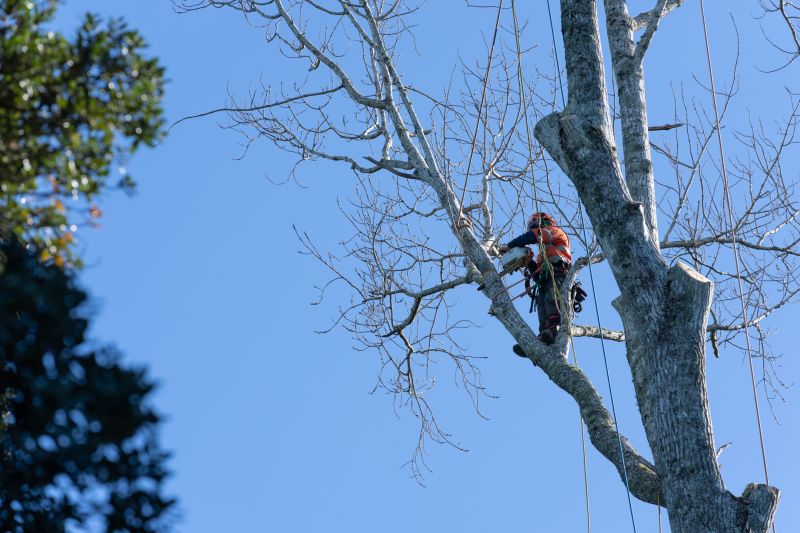
Professional arborists use specialized techniques for optimal results.
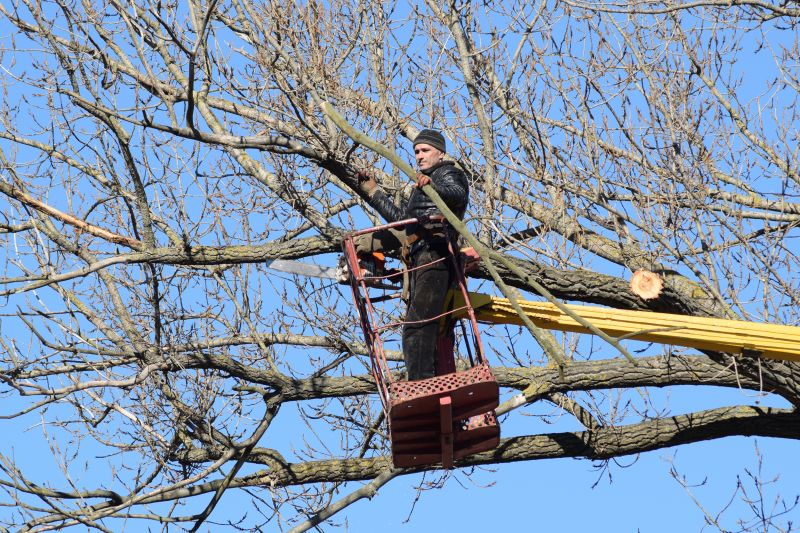
Assessing and diagnosing issues to determine necessary trimming.
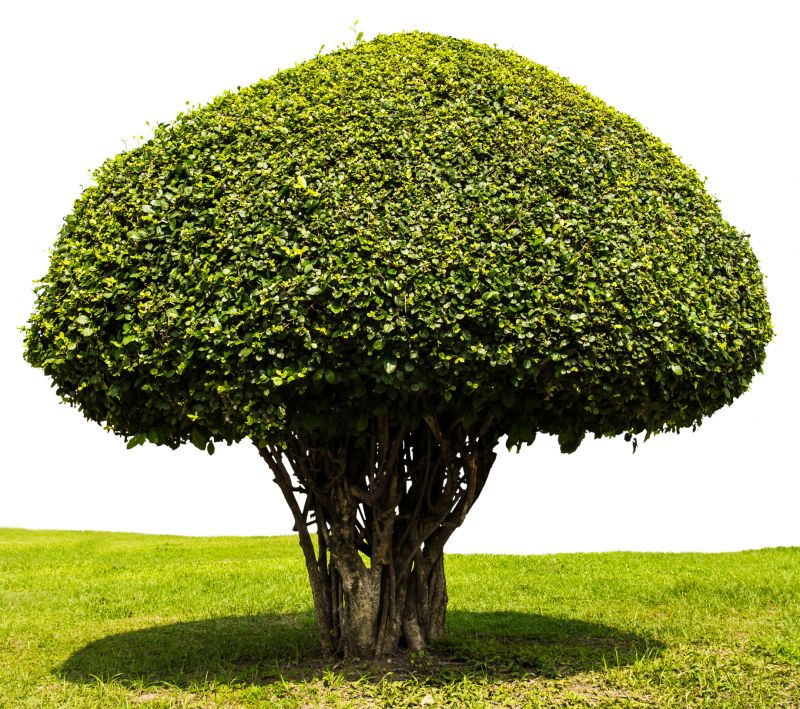
Reshaping trees for aesthetic balance and structural integrity.
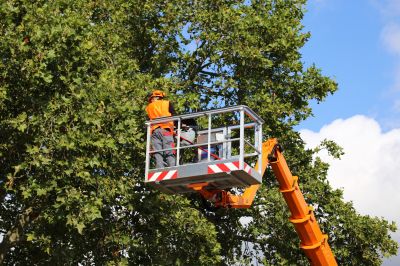
Removing hazardous branches to ensure safety around properties.
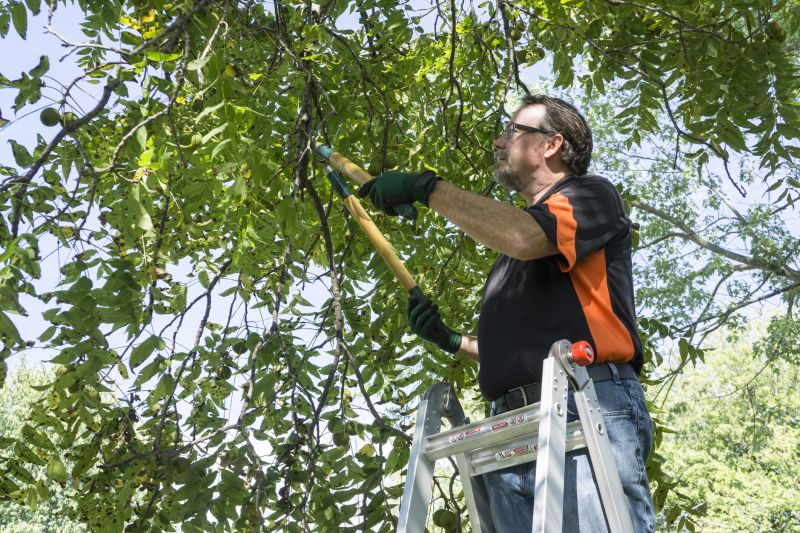
Strategic trimming to mitigate storm-related risks.
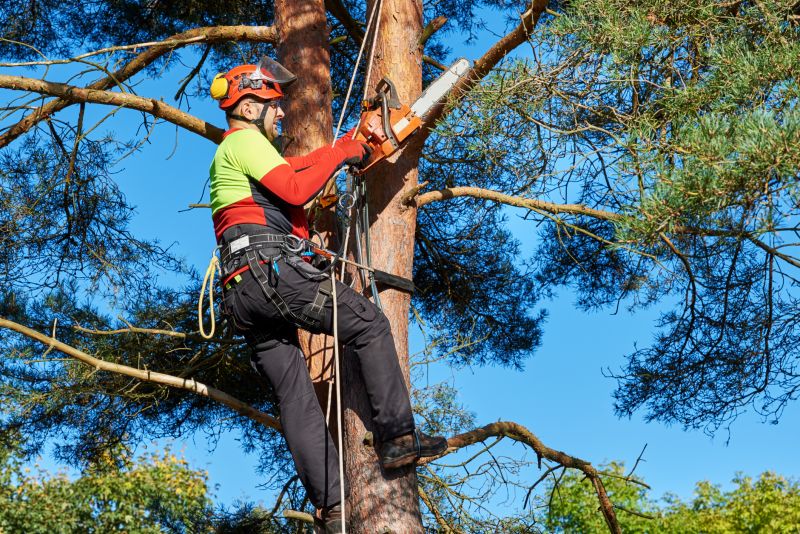
Scheduled trimming supports ongoing tree health and safety.
Arborists play a crucial role in maintaining the health and safety of trees through expert pruning and care. They possess in-depth knowledge of tree biology and growth patterns, enabling precise and effective trimming practices. Arborists evaluate each tree’s structure, health, and environment to develop tailored maintenance plans. Their expertise helps identify early signs of disease, pest infestations, or structural weaknesses that could compromise safety or longevity. Using specialized tools and techniques, arborists perform pruning that promotes healthy growth while minimizing stress on the tree. Their skills ensure that trees remain resilient, safe, and visually appealing, especially in complex landscapes or near structures. Engaging an arborist guarantees that tree trimming is performed with precision, care, and attention to the long-term health of the landscape.
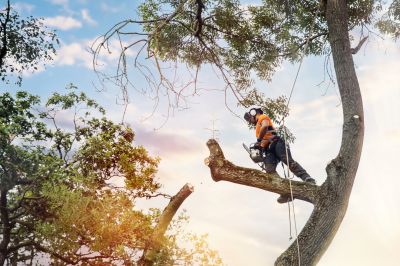
Expert pruning for optimal tree health and safety.
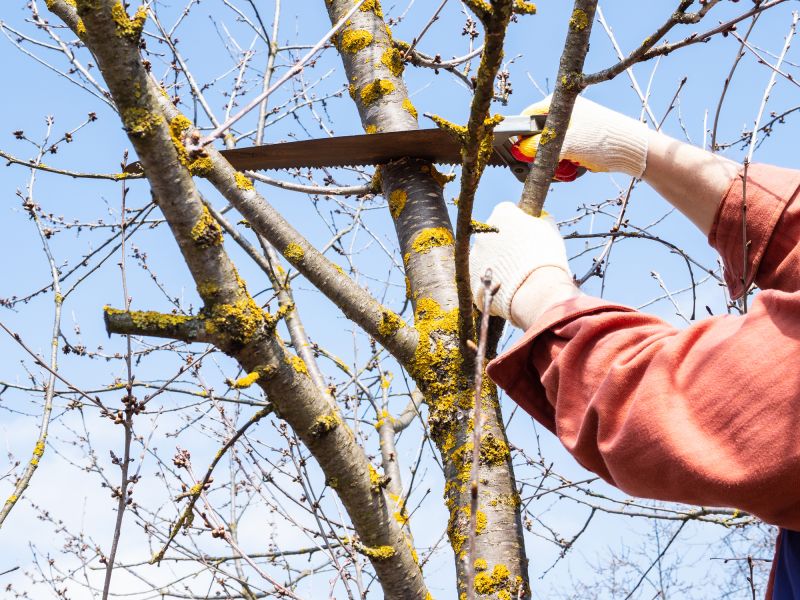
Assessing structural integrity and health issues.
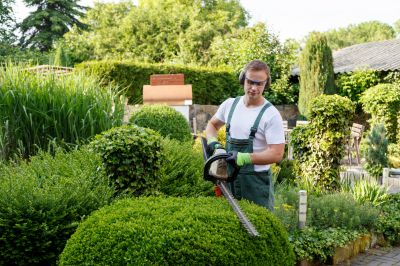
Specialized techniques for long-term landscape health.
When considering tree trimming, hiring an arborist provides assurance of professional expertise and safety. Their advanced knowledge and experience ensure that each cut supports the tree’s health and structural stability. Arborists use specialized equipment and techniques to perform precise pruning, minimizing stress and damage to the tree. They can also diagnose underlying health issues that might not be visible to untrained eyes. This proactive approach helps prevent potential hazards and extends the life of the tree. For properties where safety and aesthetics are priorities, engaging an arborist ensures that tree maintenance is conducted responsibly and effectively. Their involvement can make a significant difference in the health and safety of landscape trees over time.
**Contact today to receive a quote for professional tree trimming services and ensure your landscape remains healthy, safe, and attractive.**