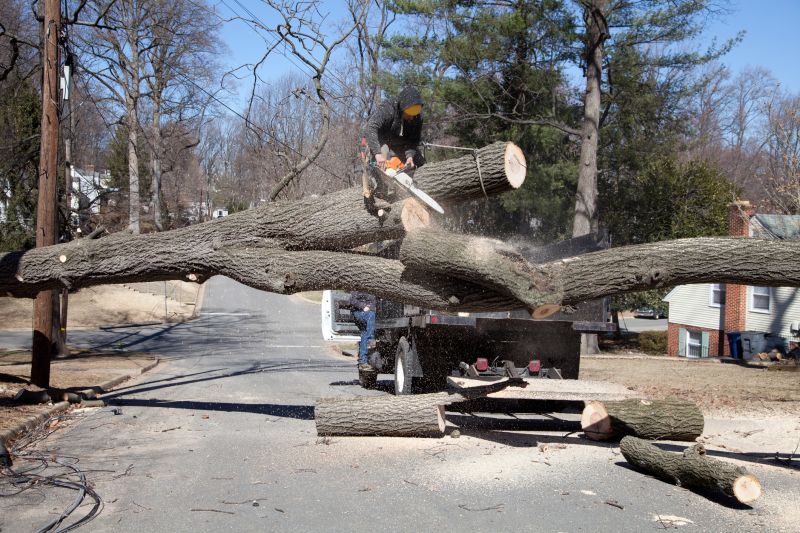
Dead Tree Removal in Montgomery County, PA
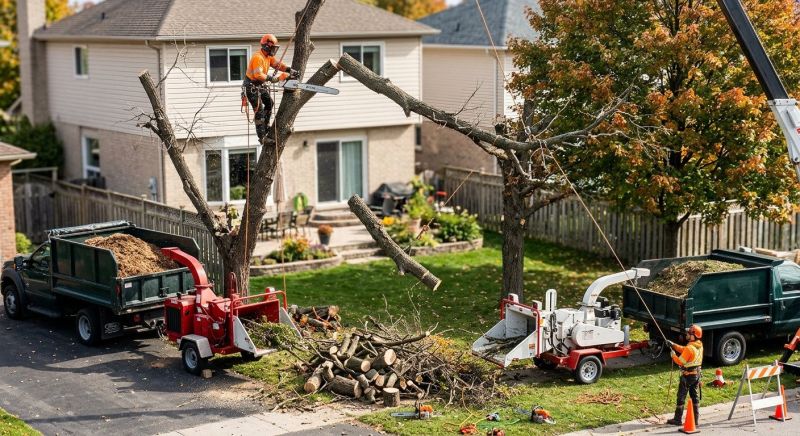
Dead tree removal services involve the safe and efficient removal of trees that are dead, decaying, or posing a risk to property or safety. This process typically includes assessing the tree’s condition, planning the safest method of removal, and then carefully cutting and removing the tree and its debris. Projects often include removing trees that have become hazardous due to disease, storm damage, or age, especially when they are located near structures, power lines, or heavily trafficked areas. Property owners should consider factors such as the size and location of the tree, potential impacts on surrounding landscaping, and any local regulations or restrictions before requesting dead tree removal.
Homeowners and property owners usually seek this service to eliminate safety hazards, prevent property damage, or improve the appearance of their landscape. It’s important to understand that dead or dying trees can deteriorate quickly and may require prompt attention. Before requesting removal, property owners should evaluate the tree’s proximity to structures, utility lines, or other landscape features, and consider any necessary permits or approvals required by local authorities. Proper assessment and planning help ensure the removal process is completed safely and effectively.
Many property owners in Montgomery County, PA look into Dead Tree Removal for repairs, replacements, upgrades, and appearance-related improvements.
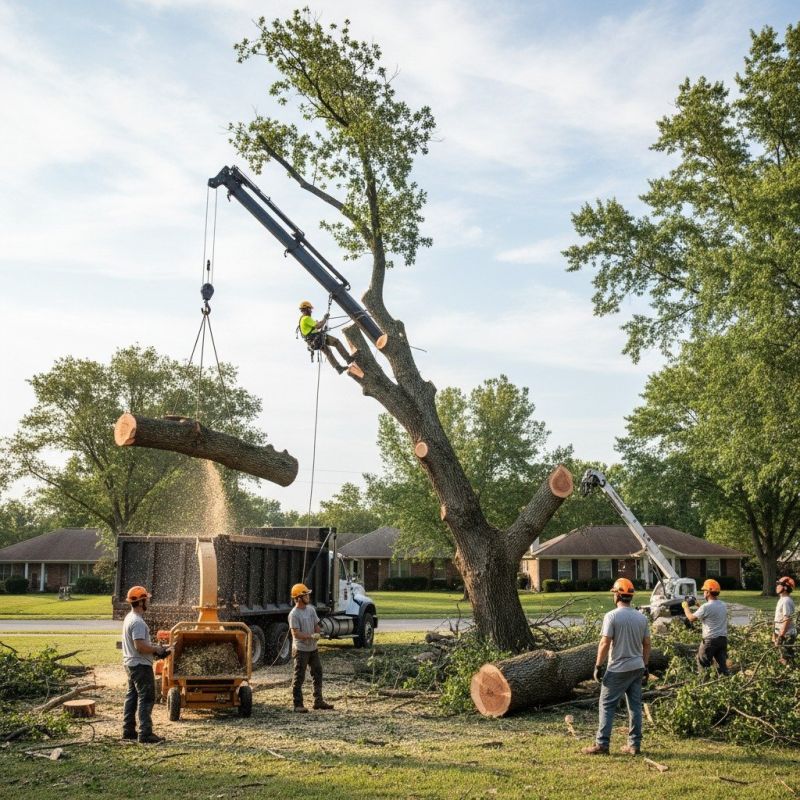
Safety And Property Protection
Removing dead trees helps prevent potential damage to structures and reduces safety hazards on your property.
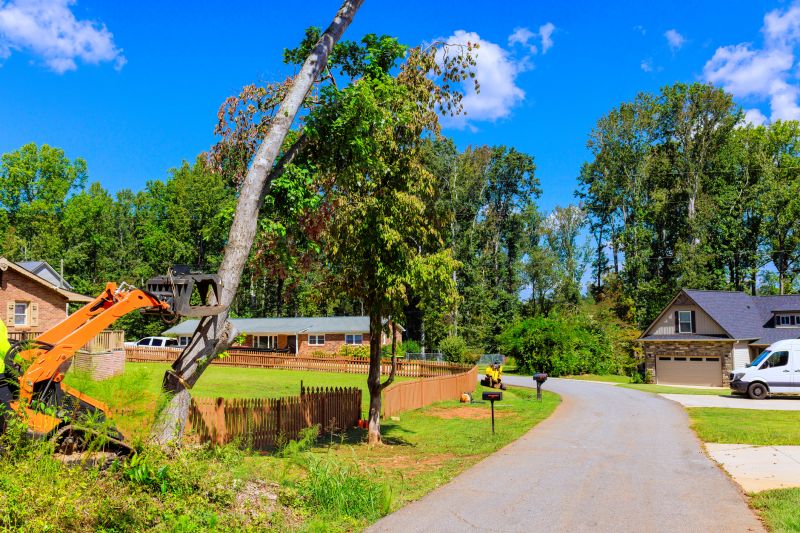
Aesthetic Improvement
Eliminating unsightly dead trees enhances the overall appearance of residential and commercial landscapes in montgomery county.
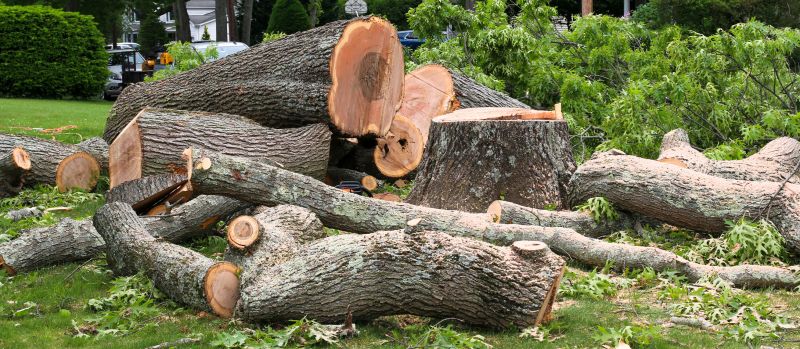
Tree Health And Maintenance
Dead tree removal supports the health of surrounding trees and promotes a safer, more attractive outdoor environment.
Dead Tree Removal in Montgomery County, PA
Dead tree removal services involve the safe and efficient removal of trees that are dead, decaying, or posing a risk to property or safety. This process typically includes assessing the tree’s condition, planning the safest method of removal, and then carefully cutting and removing the tree and its debris. Projects often include removing trees that have become hazardous due to disease, storm damage, or age, especially when they are located near structures, power lines, or heavily trafficked areas. Property owners should consider factors such as the size and location of the tree, potential impacts on surrounding landscaping, and any local regulations or restrictions before requesting dead tree removal.
Homeowners and property owners usually seek this service to eliminate safety hazards, prevent property damage, or improve the appearance of their landscape. It’s important to understand that dead or dying trees can deteriorate quickly and may require prompt attention. Before requesting removal, property owners should evaluate the tree’s proximity to structures, utility lines, or other landscape features, and consider any necessary permits or approvals required by local authorities. Proper assessment and planning help ensure the removal process is completed safely and effectively.
Many property owners in Montgomery County, PA look into Dead Tree Removal for repairs, replacements, upgrades, and appearance-related improvements.
Common Dead Tree Removal Jobs
Dead Tree Removal - safely removes hazardous or decaying trees to protect property and safety.
Stump Grinding - grinds down remaining stumps for a smooth, level yard surface.
Emergency Dead Tree Removal - responds to urgent situations involving fallen or unstable trees.
Selective Tree Removal - carefully removes specific dead or diseased trees without affecting surrounding landscaping.
Property Clearing - clears dead trees and debris to prepare the land for new landscaping or construction.
Tree Hazard Assessment - evaluates dead or dying trees to determine safety and removal needs.
Dead Tree Removal Questions
When is dead tree removal necessary? Dead trees may need removal if they pose a risk of falling or cause damage to property or nearby structures.
How can I identify a dead or dying tree? Signs include discolored or wilted leaves, dead branches, cracks in the trunk, and overall lack of growth.
What are common reasons for removing a dead tree? Reasons include safety concerns, preventing damage to landscaping, or preparing the area for new construction or planting.
What should property owners consider before removing a dead tree? It’s important to assess the tree’s location, potential impact on surrounding areas, and the best method for safe removal.
Request Dead Tree Removal in Montgomery County, PA
Use the quote form on this page to share the basics of your project and request more information for the type of work you need.