Optimal Timing for Mango Pruning

The optimal time for mango prunings is during the tree's dormant period, typically after harvest and before the new growth begins.

Pruning immediately after harvesting helps shape the tree and encourages healthy growth for the next season.
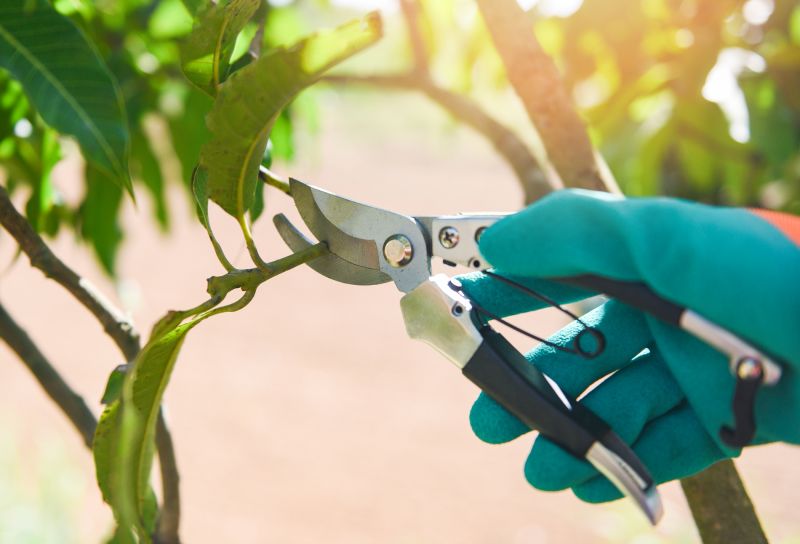
Pruning during flowering or fruiting stages can disrupt bloom development and reduce yield.
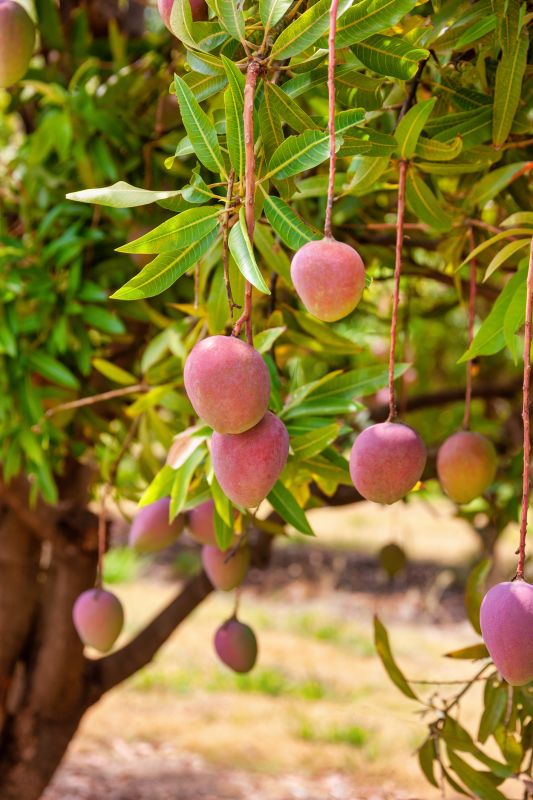
Ways to make Mango Prunings work in tight or awkward layouts.
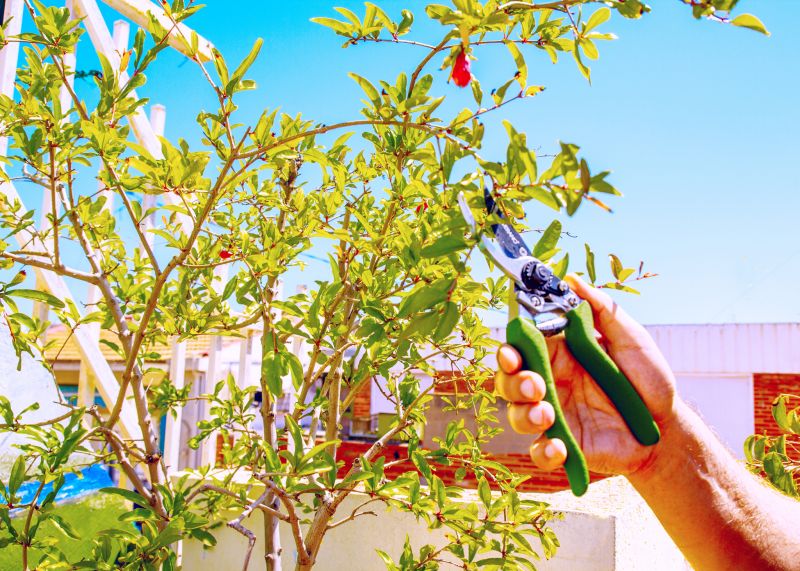
Popular materials for Mango Prunings and why they hold up over time.

Simple add-ons that improve Mango Prunings without blowing the budget.
Mango prunings are an essential part of orchard management, influencing tree health, fruit quality, and yield. Proper timing ensures that pruning stimulates new growth while minimizing stress on the tree. Typically, the best period for pruning is during the tree's dormancy, which varies depending on regional climate but generally occurs after the fruit harvest season ends and before the onset of new growth. This window allows for the removal of dead or diseased branches and the shaping of the canopy to optimize sunlight exposure.
Statistics indicate that pruning during the dormant season can increase mango yields by up to 20% and improve fruit size and quality. Proper timing also reduces the risk of pest and disease infestations, as open and healthy canopies are less susceptible. In regions with distinct seasons, pruning is often recommended in late winter or early spring, depending on local climate conditions.
Timely pruning promotes better airflow, reduces disease risk, and enhances fruit production.
Look for the end of harvest season and the beginning of new vegetative growth to determine the best pruning time.
Selective removal of dead, diseased, or overcrowded branches is recommended during the optimal pruning period.
Pruning at the right time improves sunlight penetration, leading to better fruit coloration and flavor.
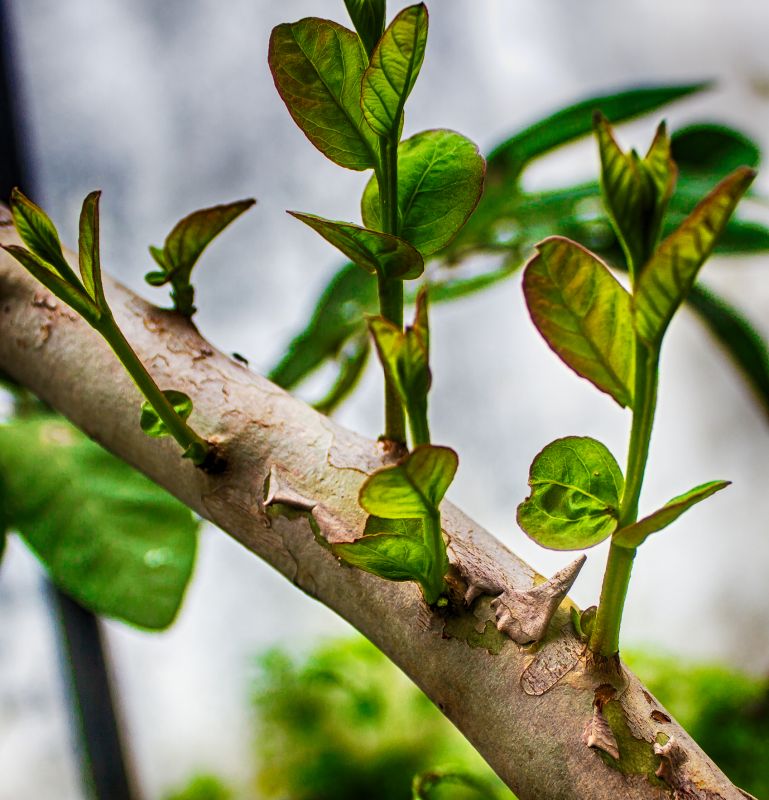
Removing overgrown branches enhances tree structure.

Use sharp, clean tools for effective pruning.
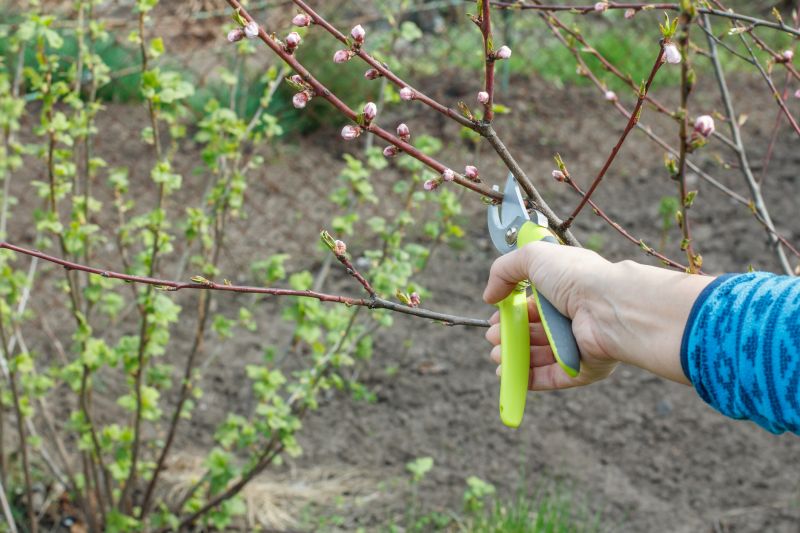
Identify and prune diseased or damaged limbs.
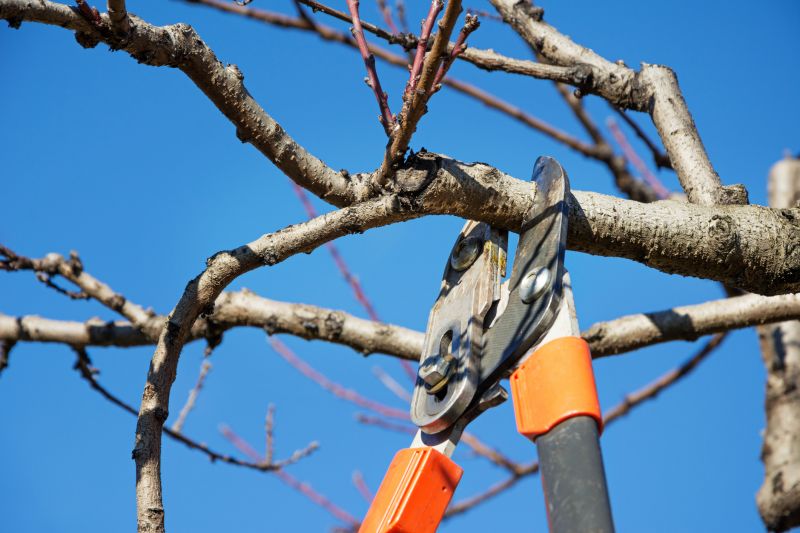
Proper technique ensures minimal stress to the tree.
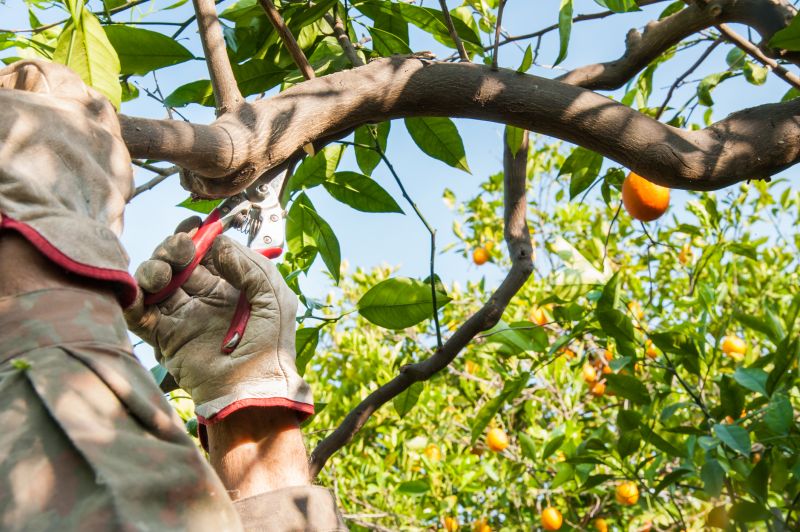
Regular pruning supports orchard productivity.
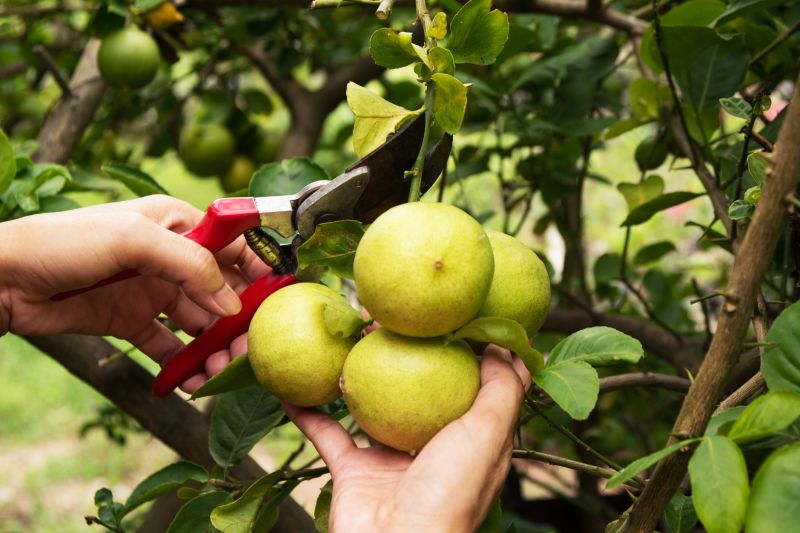
Apply appropriate treatments to wounds to prevent infection.
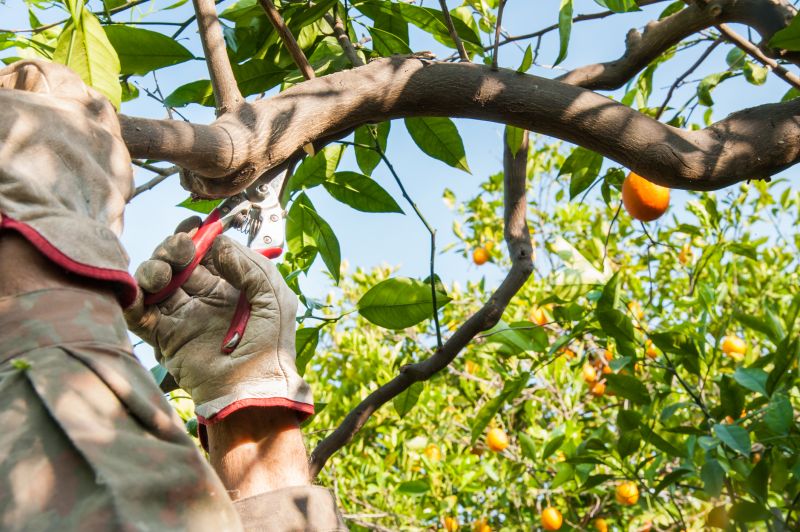
Different tools suited for various pruning needs.
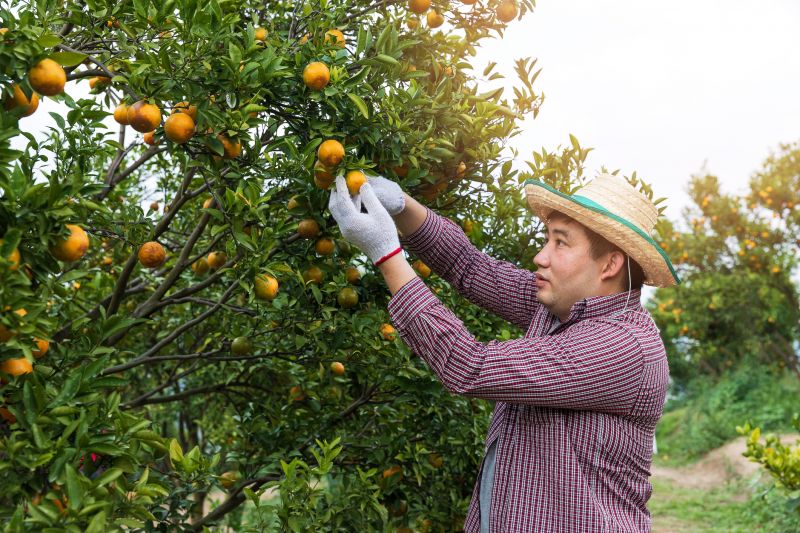
Pruning improves light exposure and air circulation.
| Aspect | Details |
|---|---|
| Optimal Pruning Period | Post-harvest season, typically late winter or early spring |
| Tree Response | Stimulates new growth and maintains shape |
| Yield Impact | Can increase fruit production and quality |
| Disease Prevention | Reduces pest habitat and disease spread |
| Regional Timing Variations | Dependent on local climate and harvest schedule |
| Pruning Frequency | Once or twice annually, based on growth |
| Tools Recommended | Sharp pruning shears, saws, and loppers |
| Pruning Risks | Pruning during active flowering may reduce yield |