
Favorite Mango Pruning Products For Efficient Orchard Care
Select from a curated list of trusted tools and supplies designed to simplify mango pruning tasks and improve orchard health.
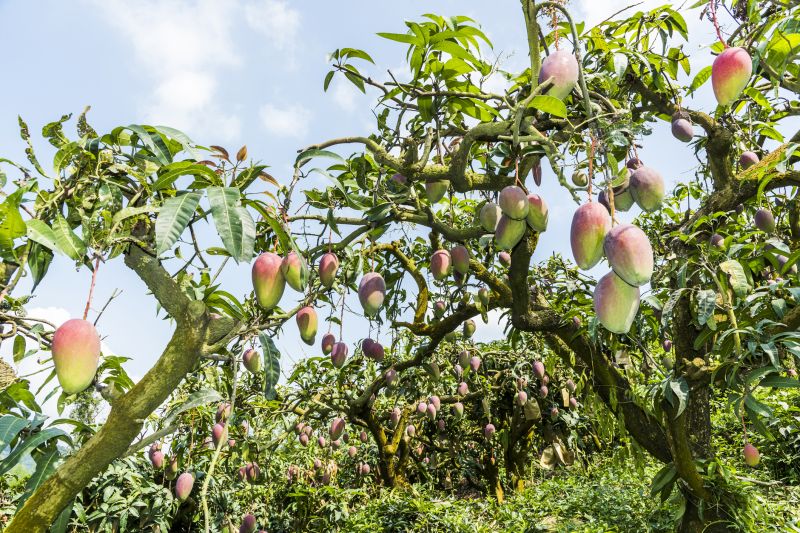 Managing mango prunings effectively is essential for maintaining healthy orchard growth and optimizing fruit production. Pruning involves removing dead, diseased, or overgrown branches to improve air circulation, light penetration, and overall tree structure. Proper tools and products designed specifically for handling prunings can make this task safer and more efficient. Whether you are a professional orchard manager or a dedicated hobbyist, selecting the right equipment ensures that pruning is done cleanly and safely, reducing the risk of injury and promoting healthier trees.
Top Overall Option
Multi-Function Pruning Kit
A comprehensive pruning kit that includes various hand tools such as pruning shears, loppers, and a pruning saw, designed to handle branches of different sizes. It offers ergonomic handles for comfort during extended use and durable blades for clean cuts. Ideal for orchard managers and serious hobbyists seeking an all-in-one solution for mango pruning tasks.
Types of Products For Mango Prunings
Manual Pruning Shears
Compact and easy to use for trimming small branches and twigs, providing precise cuts for delicate pruning tasks.
Loppers
Heavy-duty scissors with long handles designed to cut thicker branches safely and efficiently.
Pruning Saws
Hand saws with curved blades suitable for cutting medium to large branches with ease.
Pole Pruners
Extendable tools that allow reaching high branches without a ladder, equipped with either manual or powered blades.
Chainsaws
Powered saws ideal for large branches and thick limbs, offering quick and efficient cutting.
Branch Chippers
Machines that convert pruned branches into mulch, aiding in waste disposal and composting.
Debris Collection Bags
Heavy-duty bags designed to gather and transport pruned branches and leaves easily.
Protective Gloves
Durable gloves to safeguard hands during pruning, especially when handling thorny or rough branches.
Safety Goggles
Eye protection to prevent debris and wood chips from causing injury during pruning activities.
Extension Poles
Accessories that attach to manual tools, increasing reach and reducing the need for ladders.
Battery-Powered Pruners
Cordless tools offering mobility and ease of use for trimming branches without manual effort.
Hedge Trimmers
Electric or gas-powered trimmers that can be used for shaping and trimming dense foliage.
Wood Chisels and Mallets
Tools for shaping or removing stubborn branches and wood pieces during pruning.
Blade Sharpeners
Devices to maintain sharpness of pruning blades, ensuring clean cuts and safety.
Popular Choices
Widely used for precise trimming of small branches and twigs, offering control and accuracy.
A common choice for cutting thicker branches with leverage and ease.
Popular for their ability to handle medium-sized branches efficiently.
Favored for reaching high branches safely without ladders.
Preferred for their ease of use and power when tackling large limbs.
Useful for converting pruned branches into mulch, simplifying cleanup.
Convenient for gathering pruned material during orchard maintenance.
Essential safety gear for handling thorny or rough branches.
Important for eye protection during pruning activities.
Growing in popularity for their portability and ease of operation.
Increasingly used to extend reach and improve safety during high pruning tasks.
Often used for shaping dense foliage around mango trees.
Different products are available to assist in the collection, cutting, and disposal of mango prunings. From manual tools like pruning shears and loppers to powered equipment such as chainsaws and pole pruners, each serves a specific purpose depending on the size and density of the branches. Additionally, products like pruning saws, branch chippers, and debris collection bags can help streamline the cleanup process, making orchard maintenance less labor-intensive. Investing in quality equipment tailored for pruning mango trees can lead to more effective pruning sessions, ultimately supporting the health and productivity of the orchard.
Safety is paramount when handling pruning tools and equipment. Protective gear such as gloves, eyewear, and sturdy clothing should always be used to prevent injuries. For larger pruning jobs, especially on taller trees, equipment like extendable pole pruners or powered saws can reduce the need for ladders and minimize risk. Proper training and familiarity with the tools are also critical to ensure safe operation. Regular maintenance of tools, including sharpening blades and checking for damage, helps maintain their effectiveness and safety over time.
Overall, selecting the right products for mango pruning involves considering the size of the branches, the frequency of pruning, and the physical capabilities of the user. Combining the appropriate tools with safety gear and proper techniques can make pruning a more manageable and productive task. Well-chosen equipment not only improves the efficiency of pruning but also contributes to the long-term health of the mango trees, supporting a fruitful harvest season year after year.
Key Buying Considerations
- Branch Size Compatibility: Choose tools suitable for the thickness of branches you typically prune.
- Tool Material and Durability: Look for blades and cutting edges made from high-quality steel for longevity.
- Ease of Use: Ergonomic handles and lightweight designs reduce fatigue during extended pruning sessions.
- Safety Features: Safety locks, blade guards, and protective gear are essential for safe operation.
- Power Source: Decide between manual, battery-powered, or corded electric tools based on mobility needs.
- Reach Capabilities: Extendable tools or pole pruners can help access high branches without ladders.
- Maintenance Requirements: Consider ease of sharpening, cleaning, and replacing parts.
- Storage and Portability: Compact tools and carrying cases facilitate organization and transport.
- Budget and Cost-Effectiveness: Balance quality features with affordability to select suitable products.
- Environmental Conditions: Select corrosion-resistant tools if working in humid or wet environments.
- Compatibility with Other Equipment: Ensure tools can be integrated with existing orchard equipment.
- User Experience: Read reviews or seek expert advice to gauge usability and effectiveness.
- Warranty and Support: Prefer products with reliable warranty and customer service options.
- Additional Features: Look for extra functionalities like telescoping, adjustable blades, or multi-tool sets.
This page contains affiliate links. We earn commissions from qualifying purchases to support our content creation.